Key Takeaways
- Inspect first: A full inspection helps you find repair, system, and condition issues before advertising the rental.
- Finish the basics before showings: Repairs, cleaning, and safety checks can affect renter interest and trust.
- Keep updates neutral: Neutral finishes, curb appeal, and targeted improvements can help the property compete without over-remodeling.
- Test core systems: Appliances, HVAC, plumbing, locks, and safety equipment should work before move-in day.
Getting a property ready for rental takes much more than posting the property online and waiting for calls. A rental property offers rental income and a place for someone to live. The property’s condition can affect the rent you can charge, the amount of interest from prospective renters, and the profit from that unit.
In this article, we at Doorvest Cleveland will give you eight tips that can help you prepare a property for rental while maintaining a professional image and a competitive advantage.
1. Undertake a Complete Inspection of the Unit
Before you start making improvements or advertising the unit for lease, your property should be fully inspected. This gives you a solid understanding of the unit’s present condition and helps you find problems that could affect habitability, comfort, and renter satisfaction.
Include the roofing and gutters, plumbing systems, electrical systems, HVAC systems, walls, ceilings, floors, doors, windows, and locks. When a property has been occupied for a long time, small problems may go unnoticed. Prospective renters often see these problems right away when they tour the property. There are standards for property inspections that may be useful to consult.
2. Perform All Necessary Repairs Before Listing
One of the most frequently made mistakes by landlords is waiting to repair items until a tenant moves into the unit. Delayed repairs can create frustration, reduce trust, and damage the landlord-tenant relationship before it begins. Complete the following essential repairs before marketing the property:
- Leaking faucet and pipe repairs.
- Damaged flooring repairs.
- Broken fixture replacement.
- Chipped paint or damaged wall repairs.
- Malfunctioning appliance repairs.
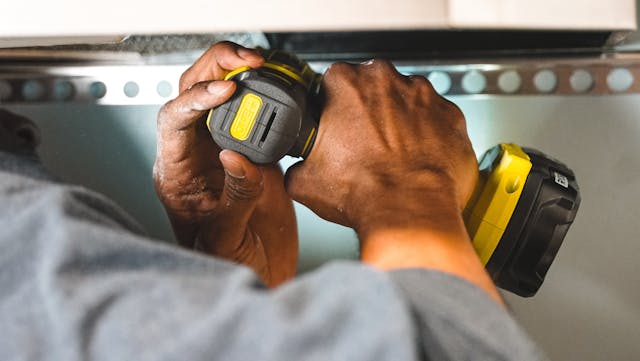
Smaller items, like a loose cabinet handle or squeaky door, carry less weight on their own. Together, they can show a pattern of owner neglect. To reduce the amount of repairs needed between tenants it’s important to maintain your property.
3. Deep Clean Your Property
Cleanliness is one of the biggest indicators of how well a property has been cared for. A rental home should not simply “look” clean. It should be deep-cleaned and sanitized before showing. As such, make sure to:
- Shampoo carpets or polish floors.
- Clean kitchen appliances inside and out.
- Scrub bathrooms, including grout lines.
- Wash windows and blinds.
- Remove odors and stains.
For many owners, hiring a professional cleaning service is a good investment. A professional cleaner can give the property a greater level of sanitary detail than a basic cleaning.
4. Consider Updating the Interior of Your Units With Neutral Finishes
A property’s interior can have a substantial effect on its marketability. Bold-colored finishes and personalized design choices made by former tenants can decrease the chances of finding a tenant. The following neutral finishes can create an environment that appeals to a wider variety of prospective renters:
- Soft-white walls.
- Light gray tones.
- Beige or warm earth-tone colors.
- Simple and modern trim products.
5. Enhance the Curb Appeal of Your Property
The property’s exterior makes the first impression on a prospective renter before they arrive at the front door. An unkempt exterior can reduce a prospective renter’s interest, even when the interior is appealing.
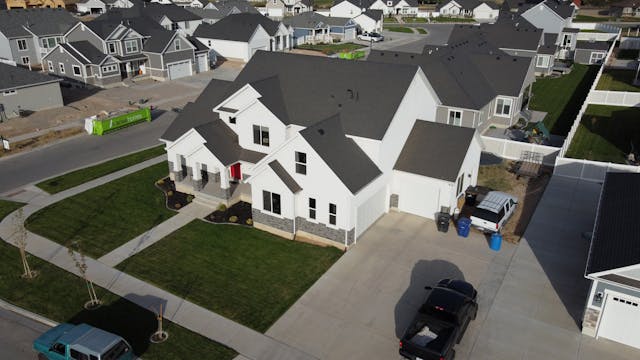
To enhance curb appeal mow and edge the lawn, trim trees and shrubs, pressure-wash sidewalks and driveways, paint the front door and replace broken exterior light fixtures.
6. Verify That Safety Equipment Is Operational
As a landlord, you may have legal obligations for safety equipment, and renters expect basic systems to work. Before you list your property, test the following required systems and keep equipment up to date:
- Smoke detectors
- Carbon monoxide detectors
- Fire extinguishers
- Properly secured door and window locks
- Working exterior lighting for entrances and pathways
In addition to helping protect tenants, safety compliance may reduce the property owner’s exposure to liability. For general fire-prevention context, review USFA smoke alarm guidance.
7. Test All Appliances, Systems, and Equipment
When a tenant moves into a property, the tenant expects core appliances and systems to function properly from day one. These items include the refrigerator, oven, dishwasher, washing machine, HVAC, water heater, and plumbing.
If any equipment malfunctions, it creates a significant inconvenience and can affect tenant satisfaction. For this reason, landlords should test and inspect all core appliances and systems before move-in including:
- Refrigerator and oven.
- Dishwasher and washing machine.
- HVAC.
- Water heater and plumbing fixtures.
Seasonal preventive maintenance is especially important for HVAC systems. If an HVAC system fails during adverse weather, landlords could face significant emergency repair costs.
8. Modernize Where Necessary
Not all rental properties need extensive remodels. However, small, targeted improvements can help your property compete better in the marketplace. Consider one or more high-impact modernizations:
- Replace outdated cabinet hardware.
- Update lighting fixtures.
- Replace faucets or sinks.
- Install energy-efficient appliances.
- Enhance the quality of flooring materials.
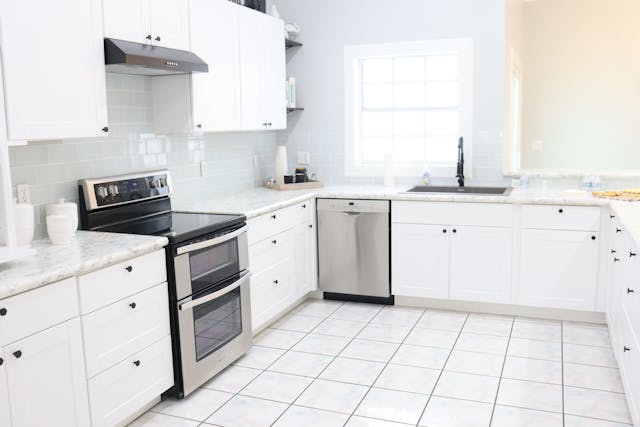
Modernizing your property can help it catch prospective renters’ attention in a competitive field and may justify increased rent. If extensive renovations are necessary, we have a list of the top 10 that deliver the best results.
Bottom Line
The preparatory work involved in getting your rental ready for occupancy involves much more than cosmetic changes. It includes maintaining the rental, presenting it well, pricing it for rent, and planning for operations.
Every decision made during preparation can affect how renters perceive the property, how competitive the rental is in the marketplace, and how profitable it may be over the long run. To achieve greater success with your rental, consider working with a property management company.