Key Takeaways
- Preventative Maintenance Reduces Costs: Seasonal checks and early issue detection prevent expensive repairs, shifting maintenance from reactive to scheduled.
- Water Management is Critical: In Northeastern Ohio, managing water flow—through gutters, grading, and basements—prevents foundational damage and long-term issues.
- Patterns Over Surfaces: Effective inspections focus on recognizing subtle changes and patterns, allowing landlords to catch potential issues early before they escalate.
- Tenant Feedback is Key: Small complaints from tenants are often early warning signs that, when addressed promptly, can prevent bigger problems down the line.
In Northeastern Ohio, properties don’t fail all at once; they wear down quietly.
A small draft becomes a heating issue in January. A bit of standing water turns into basement damage by spring. A clogged gutter in November becomes interior staining come spring.
Most costly repairs aren’t surprises. They’re missed signals.
Preventative maintenance, then, isn’t about doing more work. It’s about paying attention earlier, and acting before the problem announces itself. To that end, Doorvest Cleveland has put together this overview of rental property maintenance.
Start With the Calendar, Not the Crisis
If you’re reacting to issues as they come, you’re already behind.
In this region, your maintenance strategy should follow the seasons, not tenant complaints. Each quarter brings predictable pressure points, and planning around them gives you control.
Before winter, focus on heating systems and anything exposed to freezing temperatures. When spring arrives, shift your attention to water, where it’s going, where it’s collecting, and where it shouldn’t be.
Summer is your repair window, when conditions are stable and work is easier to complete. Fall is preparation again, specifically clearing, sealing, and reinforcing.
Once you build this rhythm, maintenance stops feeling reactive and starts feeling scheduled.
Inspect Like You’re Looking for Patterns
Most inspections fail because they’re too surface-level.
Walking through a unit and confirming “everything looks fine” doesn’t tell you much. What matters is whether something has changed.

Look for subtle differences:
- A faint discoloration that wasn’t there last visit.
- A new crack, even if it’s small.
- A slight drop in water pressure.
- A tenant mentions something “minor” more than once.
These aren’t isolated details, they’re indicators. When you start treating inspections as pattern recognition, you begin catching problems earlier than most landlords do.
Treat Water as Your Primary Risk
If there’s one thing to stay ahead of in Northeastern Ohio, it’s water.
Snow, rain, and humidity all converge here, and they don’t need much space to cause damage. A poorly directed downspout or a weak seal around a window is enough.
Your job is to constantly answer one question: Where is water going, and should it be going there?
Check grading around the property. Make sure gutters are clear and actually moving water away from the foundation. Pay attention to basements, not just visible water, but smell and air quality.
Water problems rarely fix themselves. They compound.
Think in Systems, Not Isolated Fixes
Another overlooked detail is how systems interact with each other.
A poorly sealed window doesn’t just affect comfort, it forces your heating system to work harder, increasing wear and energy use.
When you view the property as a connected system, your maintenance decisions become sharper and more effective over time.
Don’t Wait for Heating Issues to Prove Themselves
In warmer markets, HVAC maintenance is about comfort. In Northeastern Ohio, it’s about necessity.
A heating issue in winter isn’t just inconvenient, it can escalate quickly into tenant complaints, emergency repairs, or even habitability concerns.

Service systems before they’re tested. Replace filters, check airflow, and make sure everything runs efficiently before temperatures drop. If something feels slightly off in October, it will likely fail in January.
Preventing winter breakdowns is one of the highest-return actions you can take.
Roofs and Gutters: Out of Sight, High Consequence
Few things get ignored more than roofs and gutters, until they fail.
But in this region, they’re constantly under pressure. Leaves in the fall, snow in the winter, and rain in the spring all test your drainage system.
The issue isn’t dramatic damage, it’s gradual misdirection of water. Once water starts going where it shouldn’t, problems follow: siding damage, foundation issues, interior leaks.
Regular checks here don’t take long, but skipping them often leads to the most expensive repairs.
Use Tenant Feedback as Early Detection
Tenants live in the property every day. You don’t.
That makes them your most consistent source of real-time information, if you pay attention to what they’re saying.
When a tenant mentions something small, don’t treat it as a one-off inconvenience. Treat it as a signal.
A “slight draft” might point to insulation issues. A “weird noise” could indicate a mechanical problem starting. A “slow drain” might be the beginning of a blockage.
Responding quickly isn’t just good service, it’s one of your best preventative tools.
Fix the Small Stuff Before It Becomes “Big Enough”
One of the easiest traps to fall into is waiting until something is “worth fixing.”
In reality, the longer you wait, the more expensive the fix becomes.
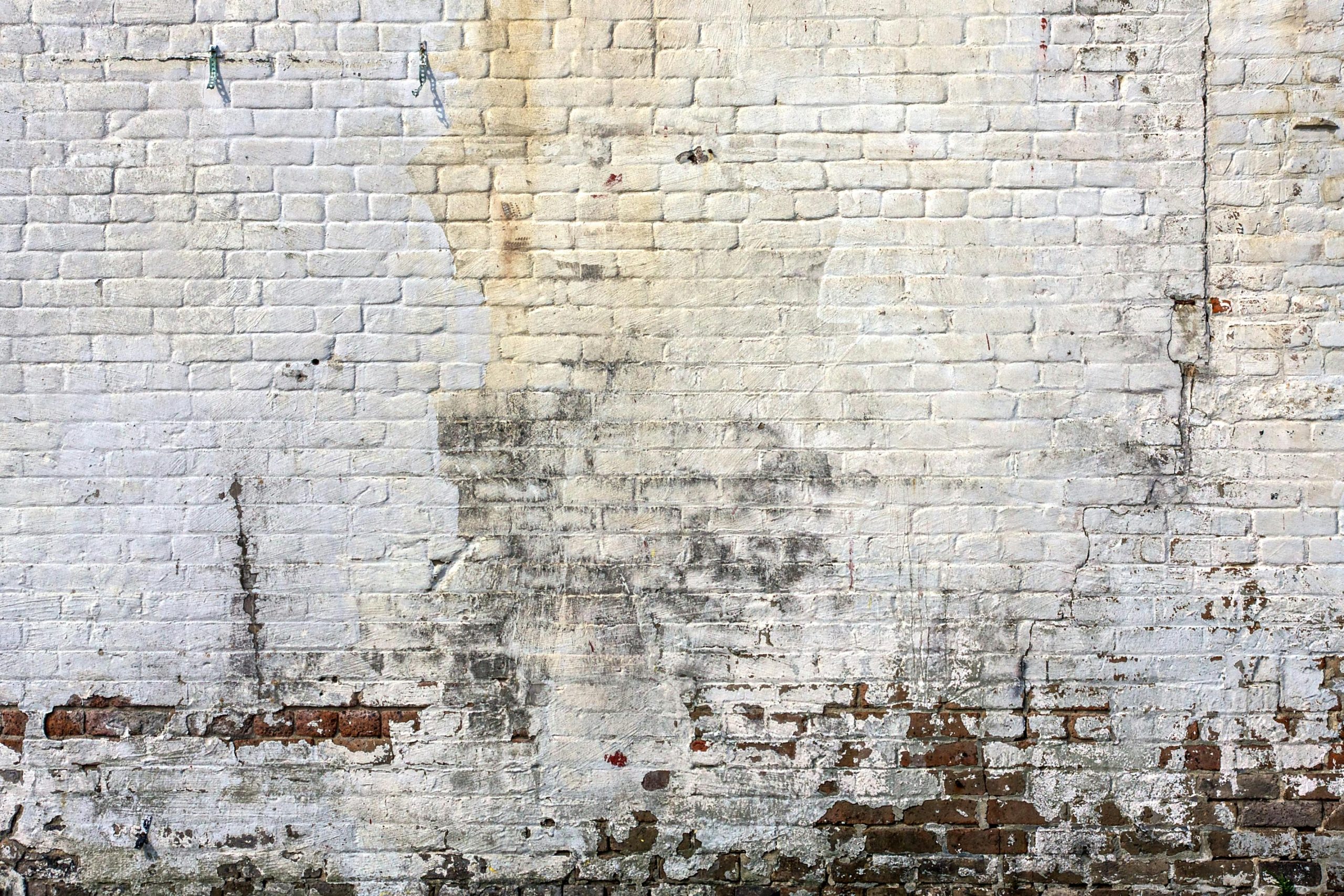
Worn flooring, chipped paint, loose fixtures, these don’t seem urgent, but they influence how tenants treat the property. When a place feels maintained, tenants tend to maintain it. When it feels neglected, that standard drops.
Preventative maintenance isn’t just structural, it’s behavioral. It sets the tone for how the property is used.
Create a Simple System You Can Repeat
The most effective maintenance plans aren’t complicated, they’re consistent.
You don’t need a complex system. You need a repeatable one:
- Seasonal checks.
- Focused inspections.
- Quick response to small issues
- Ongoing tracking of recurring problems
Once this becomes routine, you spend less time reacting and more time staying ahead.
That’s where the real efficiency comes from.
The Real Benefit: Fewer Surprises
At its core, preventative maintenance is about predictability.
Instead of sudden, high-cost repairs, you deal with smaller, manageable fixes. Instead of emergency calls, you follow a schedule. Instead of tenant frustration, you create stability.
In a market like Northeastern Ohio, where properties are constantly tested by weather and age, that predictability is a major advantage.
Ready to Take Maintenance Off Your Plate? (Final Thoughts)
Staying ahead of inspections, repairs, and seasonal demands takes time, and attention to detail that’s easy to lose as your portfolio grows.
A professional property management team brings structure to the entire process. They know what to look for, when to act, and how to prevent small issues from turning into expensive ones.
If you want your property to run smoothly without constant oversight, partner with Doorvest Cleveland, a team that understands Northeastern Ohio conditions, and handles the details before they become problems.
Contact us today.